
 kesha
kesha Set strict time and money limits before accessing any gambling platform, including betpix 365 login pages, and use built-in deposit controls to prevent overspending during periods when medication side effects, fatigue, or stress may cloud your judgment. Immunocompromised individuals face unique vulnerabilities when engaging with casino games and sports betting—chronic illness-related stress, social isolation, and the psychological burden of managing health conditions can create emotional states where gambling becomes an unhealthy coping mechanism rather than occasional entertainment.
Track your gambling frequency alongside your health symptoms in a journal or app, noting whether you gamble more during flare-ups, after disappointing medical appointments, or when feeling isolated from friends and family. This connection often goes unrecognized until patterns emerge clearly on paper.
Recognize that medications like corticosteroids and certain immunosuppressants can affect decision-making, impulse control, and mood regulation—factors that directly influence gambling behavior. If you notice increased urges to bet during medication changes or dosage adjustments, this warrants an honest conversation with your healthcare provider.
Build alternative coping strategies specifically designed for homebound periods when infection risk runs high. Virtual support groups, streaming entertainment, creative hobbies, and telehealth mental health services offer connection and stimulation without financial risk.
The immunocompromised community deserves resources that acknowledge their reality: managing chronic illness is exhausting, isolating, and emotionally draining. Gambling can seem like accessible entertainment when physical limitations restrict other activities. Understanding this context without judgment creates space for honest self-assessment and meaningful support when gambling crosses from occasional diversion into problematic territory.
Why Immunocompromised People Face Different Gambling Risks
The Isolation Factor
For many people living with immunocompromised conditions, physical limitations create a different daily reality. Regular activities that others take for granted—visiting friends, attending community events, or simply going to public spaces—can pose genuine health risks. During illness flares or periods of heightened vulnerability, staying home becomes essential rather than optional.
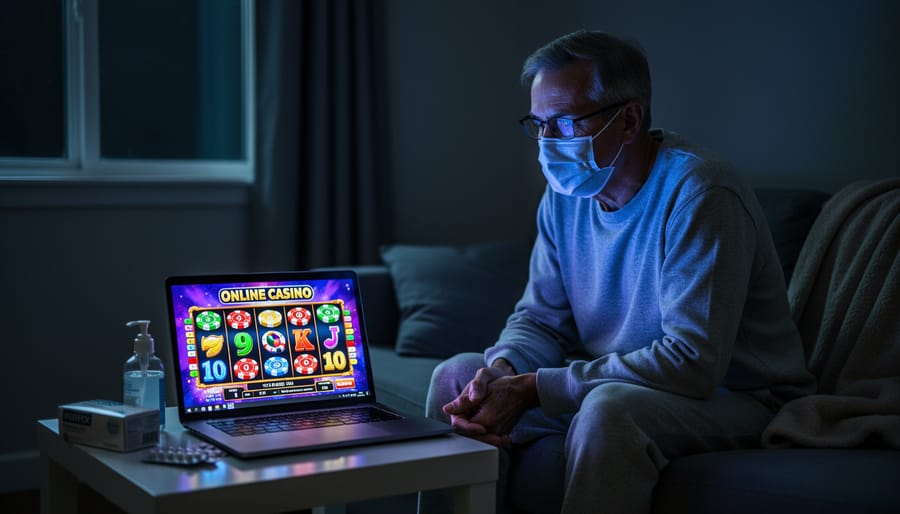
This isolation, while medically necessary, can create emotional challenges. The hours spent at home stretch long, and feelings of loneliness or disconnection from the world can settle in. Online gambling platforms have become increasingly sophisticated at filling this void, offering not just games but chat features, virtual communities, and the excitement of participation from the safety of home.
Maria, a 34-year-old with common variable immunodeficiency, shares: “During my worst months, I couldn’t see friends or go anywhere. Online poker gave me something to do and people to interact with, even if virtually. I didn’t realize how much time and money I was spending until months later.”
The convenience of mobile apps and 24/7 availability makes online gambling particularly accessible during those difficult stretches when leaving home isn’t possible. What begins as occasional entertainment can gradually become a primary source of stimulation and social connection.
Medical Costs and Financial Pressure
Living with an immunodeficiency disorder often means facing substantial medical expenses that insurance doesn’t fully cover. Specialized treatments, frequent doctor visits, medications, and unexpected hospitalizations can drain savings quickly, creating mounting financial pressure that affects every aspect of daily life.
When Maria’s medical bills began exceeding $3,000 monthly despite having insurance, she felt desperate for a financial solution. Like many in similar situations, she turned to online gambling, initially viewing it as a potential way to supplement income and ease the burden. This thinking represents a dangerous trap that immunocompromised individuals may be particularly vulnerable to.
The psychological weight of chronic financial stress, combined with the isolation and emotional challenges of managing a health condition, creates perfect conditions for gambling’s false promises to take hold. Casino and sports betting platforms advertise quick wins and life-changing jackpots, which can seem like an answer when facing overwhelming medical debt. However, gambling statistically favors the house, meaning most people lose money over time, compounding rather than solving financial problems.
Understanding this cycle is the first step toward breaking it and finding genuine support resources.
Medications and Decision-Making
Many immunocompromised individuals take medications that can unexpectedly influence decision-making abilities. Corticosteroids like prednisone, commonly prescribed for immune conditions, may affect mood stability and impulse control. Some patients report feeling more impulsive or experiencing heightened emotions while on these treatments. Similarly, pain medications and certain immunosuppressants can impact cognitive function and judgment.
Understanding these medication side effects is essential when engaging in activities requiring careful decision-making, including gambling. Sarah, who manages chronic immune deficiency, noticed she made quicker betting decisions during high-dose steroid treatments. She learned to avoid gambling apps during these periods.
When managing treatment decisions, discuss potential cognitive effects with your healthcare provider. Consider setting stricter gambling limits or taking breaks from betting during medication changes or dose adjustments. Your treatment team can help you identify times when your judgment might be compromised, allowing you to protect both your health and financial wellbeing.
Physical Health Concerns: Casino Environments and Immunodeficiency
Infection Risk in Gambling Venues
For people living with weakened immune systems, casinos and sports betting venues present unique health challenges that deserve careful consideration. These environments typically bring together large crowds in enclosed spaces where air circulation may be limited, creating heightened exposure to airborne illnesses like flu, COVID-19, and other respiratory infections.
Physical contact with shared surfaces adds another layer of risk. Slot machine buttons, card tables, chips, betting terminals, and door handles are touched by hundreds of people daily, often without adequate sanitization between users. While most venues have improved cleaning protocols since the pandemic, the sheer volume of visitors makes thorough disinfection challenging.
Many gambling venues also permit smoking or have designated smoking areas where air quality becomes compromised. For immunocompromised individuals, secondhand smoke exposure can further stress an already vulnerable respiratory system.
The close proximity to other patrons during table games or crowded sportsbook areas makes maintaining safe physical distance nearly impossible during peak hours. Late-night operations mean some visitors attend when they’re tired or potentially unwell, increasing transmission risks.
Understanding these environmental factors isn’t meant to discourage all participation, but rather to help you make informed decisions about when, where, and how to engage with gambling activities while protecting your health.
Safer Alternatives and Precautions
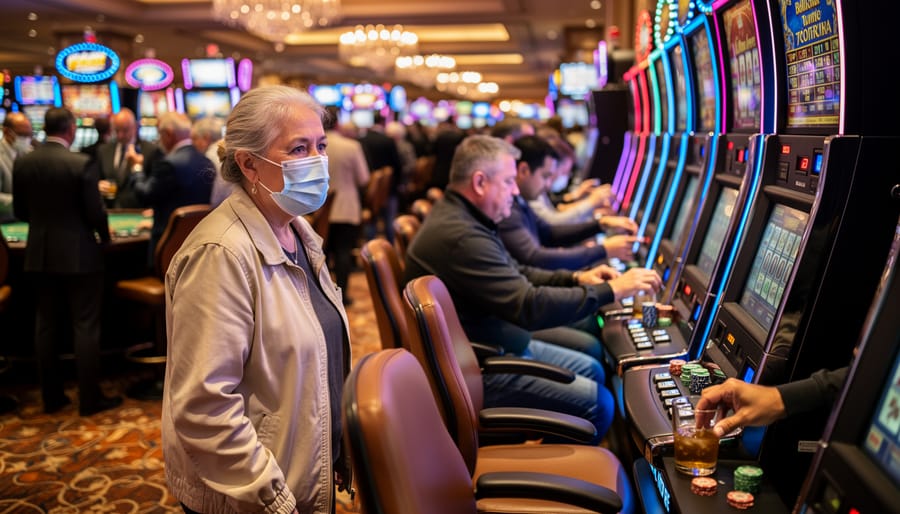
If you decide to visit physical casinos or sports betting venues, taking precautions can significantly reduce your health risks. Consider visiting during off-peak hours when crowds are smaller, typically weekday mornings or early afternoons. Before going, check venue ventilation systems and whether outdoor gaming areas are available. Always carry hand sanitizer with at least 60% alcohol content and use it frequently, especially after touching chips, cards, slot machines, or shared surfaces. Wearing a high-quality mask remains one of the most effective protective measures in crowded indoor spaces.
When at physical locations, maintain distance from others when possible and avoid touching your face. Bring your own beverages in sealed containers when permitted, and be selective about food consumption in communal dining areas. If you start feeling unwell or notice someone nearby appears sick, leave immediately.
However, online gambling platforms offer the safest alternative for immunocompromised individuals. Many legitimate websites and mobile apps provide casino games and sports betting from home, eliminating exposure risks entirely. While online gambling carries its own responsible gaming considerations, it removes the infection concern that physical venues present.
Maria, who has common variable immunodeficiency, shares: “Switching to online platforms was difficult at first because I missed the social atmosphere, but my health improved dramatically. I now video chat with friends while we play online, getting social connection without the risk.”
Remember that whether online or in-person, setting strict time and spending limits remains essential for responsible gambling regardless of the format you choose.
Recognizing Problem Gambling in Yourself or a Loved One
Common Warning Signs
Recognizing when gambling shifts from occasional entertainment to a potential concern is an important step in protecting your wellbeing. For immunocompromised individuals already managing health challenges, these warning signs deserve gentle attention and honest self-reflection.
Consider whether you find yourself thinking about gambling frequently, even during medical appointments or treatment sessions. Many people describe feeling preoccupied with planning their next bet or reliving past wins and losses. This mental focus can become overwhelming, sometimes competing with important health management tasks.
Financial warning signs often appear early. You might notice yourself spending money intended for medical expenses, prescriptions, or specialized foods on gambling instead. Some individuals begin borrowing money, using credit cards beyond their means, or feeling anxious about bills that previously felt manageable.
Emotional patterns also shift. Gambling may become your primary way to cope with treatment stress, isolation, or health-related anxiety. You might feel restless or irritable when unable to gamble, or experience guilt and shame after gambling sessions yet find yourself unable to stop.
Social changes matter too. Withdrawing from family, missing support group meetings, or being secretive about time and money spent on gambling can indicate growing concerns. Some people find themselves lying to loved ones or healthcare providers about their gambling activities.
If you recognize yourself in these descriptions, please know you’re not alone, and compassionate support exists. Acknowledging these patterns takes courage and represents the first meaningful step toward positive change.
Unique Red Flags for Immunocompromised Individuals
For immunocompromised individuals, certain warning signs deserve special attention as they directly intersect with health management needs. One critical red flag is missing or rescheduling medical appointments to gamble. When someone postpones infusion treatments, specialist visits, or routine monitoring because of casino trips or online betting sessions, their gambling has begun threatening their health stability.
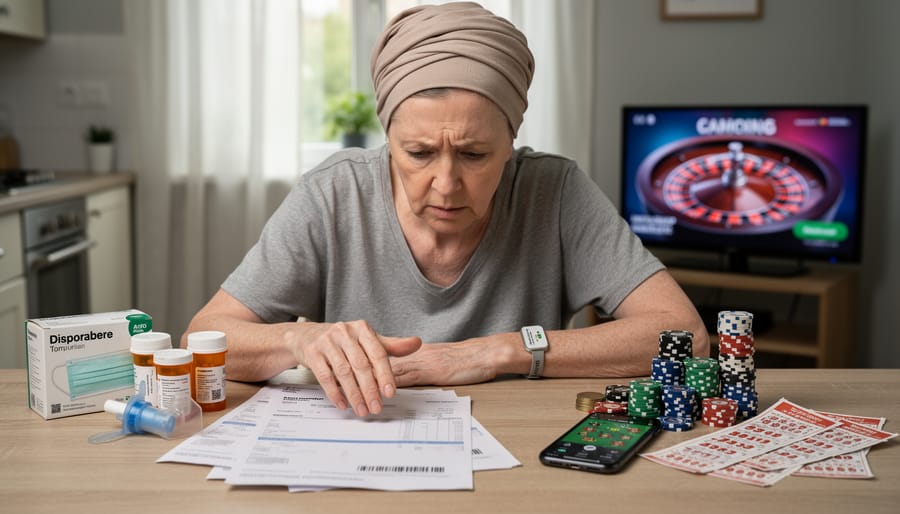
Financial red flags take on added urgency in this community. Using money designated for medications, specialized supplements, or medical equipment to fund gambling represents a dangerous crossover. Similarly, diverting funds from health insurance premiums or copayments to place bets can jeopardize access to essential care. Some individuals even rationalize that winning will solve their medical expense problems, creating a harmful cycle.
Emotional escape through gambling presents another unique concern. While everyone faces stress, immunocompromised individuals may use betting to avoid managing health anxiety, diagnosis fears, or treatment-related worries. When gambling becomes the primary coping mechanism for health concerns rather than seeking appropriate support, it signals a problem requiring intervention.
Physical red flags include gambling despite illness flares, ignoring symptoms to continue playing, or experiencing stress-induced immune responses after losses. Family members often notice someone becoming secretive about both their health status and gambling activities simultaneously, or expressing that gambling gives them control when their health feels unmanageable. Recognizing these interconnected warning signs early allows for intervention before gambling significantly impacts both financial security and health outcomes.
Setting Healthy Boundaries With Gambling Activities
Creating a Gambling Budget That Protects Your Health Needs
Your medical needs must always come first. Before any gambling budget exists, calculate your non-negotiable health expenses: medications, treatments, specialist visits, supplements, and emergency medical funds. These amounts are completely off-limits for gambling activities.
Many people in our community find the “four-tier budgeting” approach helpful. First tier: all medical expenses and necessities like housing and food. Second tier: emergency medical reserve (ideally three months of health costs). Third tier: general savings and discretionary spending. Only the fourth tier, after everything else is secured, can be considered for entertainment, including gambling.
Sarah, who manages common variable immunodeficiency, shares her strategy: “I treat my gambling money like movie tickets. Once my medication auto-pay goes through each month, I might set aside twenty dollars for entertainment. If I don’t use it on gambling, great. But I never, ever touch money earmarked for my immunoglobulin treatments.”
Consider using separate bank accounts or prepaid cards exclusively for gambling. This creates a physical barrier between your health funds and entertainment money. Set up automatic transfers to your medical savings account on payday, before you see that money as available.
If you find yourself calculating whether you can delay a prescription refill or skip a doctor’s appointment to fund gambling, this is a critical warning sign requiring immediate help.
Time and Energy Management
When you’re managing an immunocompromised condition, your energy reserves are precious. Medical appointments, rest periods, medication schedules, and self-care routines already fill your calendar. Adding gambling activities requires honest assessment of your capacity.
Many in our community describe feeling isolated or seeking entertainment during recovery periods, making online gambling appealing. However, extended screen time and the emotional intensity of gambling can drain limited energy you need for healing. Consider setting clear time boundaries—perhaps limiting gambling sessions to 30 minutes or scheduling them only after you’ve completed essential health tasks for the day.
Sarah, who lives with common variable immunodeficiency, shares: “I realized gambling was cutting into my rest time, and I’d feel exhausted the next day. Now I treat it like any other activity—it has to fit around my health priorities, not the other way around.”
Create a simple checklist before gambling: Have you taken your medications? Attended necessary appointments? Gotten adequate rest? Maintained proper nutrition? If gambling consistently interferes with these fundamentals, it may be time to reassess. Your health must come first, and responsible gambling means recognizing when an activity, however enjoyable, competes with your wellbeing rather than complementing it.
Using Technology and Tools for Self-Control
Modern technology offers powerful safeguards to help you maintain control over gambling activities, especially important when managing health challenges. Most reputable casino and betting platforms now include built-in tools like deposit limits, loss limits, and time restrictions that you can customize based on your budget and schedule. These features work quietly in the background, providing gentle boundaries without judgment.
Self-exclusion programs represent another valuable option, allowing you to voluntarily ban yourself from gambling sites for set periods—ranging from days to years. Many jurisdictions maintain centralized registries that block access across multiple operators simultaneously. Sarah, who manages lupus, shares: “Setting up self-exclusion during my treatment gave me one less thing to worry about.”
Consider downloading dedicated apps like Gamban or BetBlocker that prevent access to gambling websites across all your devices. These tools function as digital safety nets, particularly helpful during vulnerable moments when stress or medication side effects might cloud judgment.
Website blockers and accountability software can also alert trusted family members or friends if you attempt to access gambling sites, creating a supportive community safety network during challenging times.
When Gambling Becomes a Problem: Getting Help
Professional Support Resources
If gambling has become a concern for you or someone you care about, reaching out for professional help is a sign of strength, not weakness. Several trusted organizations specialize in problem gambling support and understand the unique challenges immunocompromised individuals may face.
The National Council on Problem Gambling operates a 24/7 confidential helpline at 1-800-522-4700, offering immediate support and referrals to local treatment services. Their trained counselors can connect you with therapists who understand both gambling issues and chronic health conditions. For online support, the National Problem Gambling Helpline also provides text and chat options at ncpgambling.org/chat.
Gamblers Anonymous offers free peer support meetings nationwide, including virtual options that allow immunocompromised individuals to participate safely from home without exposure risks. These meetings provide a judgment-free space where people share experiences and recovery strategies.
Many health insurance plans now cover gambling addiction treatment. If you’re working with an immunology specialist or primary care provider, consider discussing your concerns with them. They can coordinate care that addresses both your immune health and mental wellness needs.
Remember, seeking help early prevents gambling problems from escalating during vulnerable times. Treatment programs often include individual counseling, family therapy, and cognitive-behavioral approaches designed to address the underlying factors contributing to problematic gambling behaviors. You deserve support that honors both your health challenges and your wellbeing.
Talking to Your Healthcare Team
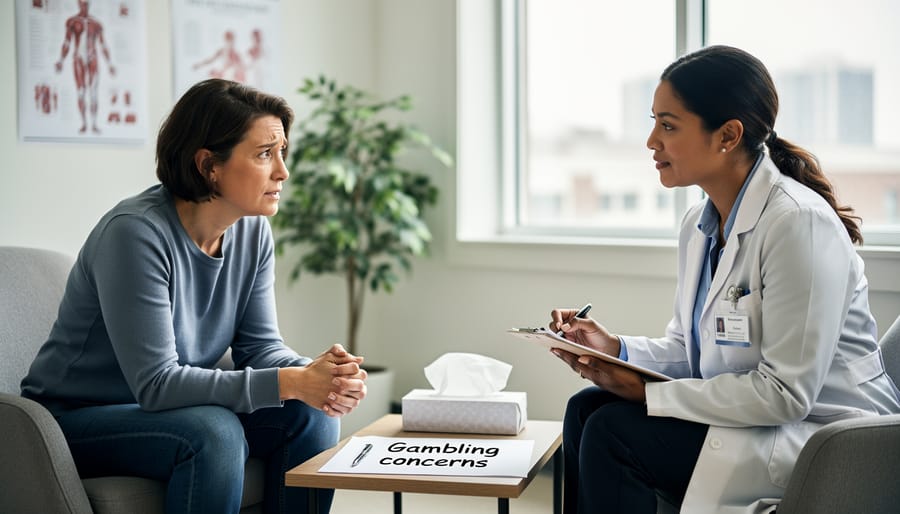
Your healthcare team plays a vital role in your overall well-being, and that includes understanding how gambling fits into your life. Many people feel uncomfortable bringing up gambling with their doctors, but it’s an important conversation, especially when managing an immunodeficiency condition.
Just as you discuss sleep habits, exercise, and diet, gambling behavior can affect your health. Stress from financial losses can weaken immune function, while time spent gambling might interfere with medication schedules or important medical appointments. Your doctor can’t help with what they don’t know about.
Starting the conversation doesn’t need to be complicated. You might say, “I’ve been gambling more lately and I’m concerned about how it’s affecting my stress levels,” or “I want to be honest about everything impacting my health, including some gambling I’ve been doing online.”
Sarah, who has Common Variable Immune Deficiency, shares: “When I finally told my doctor about my online casino habit, I was surprised by how supportive she was. She connected me with a counselor who understood both my medical needs and gambling concerns.”
Remember, healthcare providers are bound by confidentiality and are there to support you without judgment. Being open about gambling allows your team to provide truly holistic care that addresses all aspects of your health and wellness.
Real Stories: Community Members Share Their Experiences
Maria, 34, learned she had common variable immunodeficiency five years ago. During her first year of treatment, she discovered online sports betting as a distraction during long infusion sessions. “At first, it felt harmless—just something to focus on besides my health worries,” she shares. “But I noticed myself betting more during flare-ups or when test results were delayed. I recognized the pattern early and set strict limits: $50 monthly maximum, never betting when stressed about my health, and blocking gambling apps during hospital stays. Those boundaries let me enjoy occasional betting without it becoming another problem to manage alongside my immune disorder.”
David’s story took a different path. The 47-year-old with selective IgA deficiency found himself spending hours at his local casino, drawn by the social atmosphere he missed due to infection concerns. “I told myself it was safer than crowded restaurants or movie theaters,” he explains. “But within months, I’d lost thousands and was lying to my wife about where our medication copay money went.” The turning point came when his gambling-related stress triggered a severe respiratory infection requiring hospitalization. “Recovery gave me perspective. I joined a support group specifically for people managing chronic health conditions and addiction. Understanding how living with chronic illness made me vulnerable to gambling problems helped me forgive myself and move forward.”
Jennifer, 29, maintains a healthy relationship with monthly poker nights with trusted friends. “I’m immunocompromised, so I can’t do a lot of ‘normal’ social activities,” she says. “Our small, vaccinated group plays for small stakes in a controlled environment. We rotate hosting, keep limits low, and honestly, half the time we’re just talking and barely playing. It’s about connection, not the gambling itself. I think knowing my limits—both health-wise and financially—keeps it positive.”
These stories illustrate an important truth: immunocompromised individuals can have varied relationships with gambling. Some maintain healthy boundaries naturally, others develop problems that require intervention, and many fall somewhere in between. What matters most is honest self-assessment, strong support systems, and willingness to seek help when needed. There’s no shame in struggling, and there’s genuine hope in recovery. Your health challenges don’t define your ability to overcome gambling problems—many have walked this path successfully before you.
Living with an immunocompromised condition already requires careful attention to your health and wellbeing. When it comes to casino games or sports betting, the same thoughtful approach applies. Responsible gambling is absolutely possible for you, but it starts with honest self-awareness about your unique vulnerabilities.
Remember that the isolation, stress, and financial pressures that often accompany immune disorders can make gambling feel more appealing while simultaneously making problem gambling more likely. There’s no shame in recognizing this connection. Understanding your personal risk factors is the first step toward protecting yourself.
If you’re concerned about your gambling habits, or if you’ve noticed warning signs we’ve discussed, reaching out for help demonstrates strength, not weakness. The National Council on Problem Gambling helpline (1-800-522-4700) offers confidential support 24/7, and organizations like Gamblers Anonymous provide community understanding without judgment. Many communities also offer programs specifically designed to support people managing chronic health conditions.
Your health must always come first—physical, mental, and financial. These three aspects of wellbeing are deeply interconnected, especially when managing an immune disorder. Making choices that protect your overall health isn’t limiting your freedom; it’s honoring the resilience you show every day.
You deserve activities that bring genuine joy without compromising your wellbeing. Trust yourself to recognize when something isn’t serving you well, and know that support is always available when you need it. You’re not alone in this journey.


