kesha
kesha Look beyond facility photographs when evaluating specialized immunodeficiency treatment centers. While images may showcase attractive lobbies or modern equipment, they reveal nothing about infection control protocols, immunologist qualifications, or access to immunoglobulin replacement therapy—the critical factors that determine treatment success for primary immunodeficiency patients.
Photos cannot demonstrate whether a facility maintains proper sterile techniques during infusions, employs board-certified immunologists with PI-specific training, or coordinates care with multidisciplinary teams experienced in managing complex immunodeficiency cases. A visually appealing treatment room means little if staff lack expertise in recognizing early signs of immunodeficiency complications or managing adverse reactions to IVIG therapy.
Prioritize asking direct questions about clinical capabilities instead of relying on visual impressions. Request information about the center’s experience treating specific immunodeficiency disorders, average patient volumes for PI cases, accreditation status with immunology organizations, and protocols for handling immunocompromised patients. Ask whether immunologists participate in continuing education focused on emerging PI treatments and research.
Connect with other families in the immunodeficiency community who have firsthand treatment experience at facilities you’re considering. Their insights about care quality, staff responsiveness during complications, and long-term treatment outcomes provide far more valuable information than any photograph could convey.
Remember that the right treatment center for immunodeficiency care demonstrates excellence through measurable clinical outcomes, specialized expertise, and patient-centered protocols—qualities that exist far beyond what any camera can capture.
Why Photos Don’t Show What PI Patients Need Most
When you search for photos of any treatment center, you’ll typically see welcoming reception areas, comfortable patient rooms, and perhaps peaceful outdoor spaces. These images serve an important purpose—they help you envision the physical environment. But for individuals with primary immunodeficiency, beautiful photographs can’t reveal the most critical aspects of care.
The reality is that PI patients need specialized medical infrastructure that isn’t always photogenic or visible in standard facility tours. Consider what photos rarely capture: the presence of dedicated immunology specialists who understand the nuances of antibody deficiencies, the implementation of rigorous infection control protocols that protect vulnerable immune systems, or the availability of immunoglobulin therapy administration with properly trained nursing staff.
Sarah, a mother of a child with Common Variable Immunodeficiency, learned this lesson firsthand. “The facility looked pristine in photos,” she recalls, “but when we visited, we discovered they had limited experience with IVIG infusions and no immunologist on staff. The beautiful lobby didn’t matter when they couldn’t provide the specialized care my daughter needed.”
Photos can’t show you whether a center maintains positive pressure rooms for infection-prone patients, how they handle immunoglobulin storage and preparation, or if their staff understands the difference between general wellness care and immunodeficiency management. You won’t see documentation of their experience treating hypogammaglobulinemia or their protocols for managing breakthrough infections in immunocompromised patients.
The gap between visual appeal and medical capability becomes especially significant when evaluating treatment options. While a center’s physical environment contributes to comfort and healing, PI patients require facilities with proven immunology expertise, established relationships with immunoglobulin suppliers, and staff trained in recognizing complications unique to immune disorders. These essential qualifications exist in medical records, staff credentials, and treatment outcomes—elements that no photograph can adequately convey. Understanding this distinction helps families make informed decisions based on medical necessity rather than visual impressions alone.
Understanding Laurel Cherwin’s Approach to PI Treatment
When evaluating treatment options for primary immunodeficiency, understanding patient-centered care principles can make all the difference in finding the right facility. Laurel Cherwin’s approach to PI treatment emphasizes looking beyond facility appearances to focus on what genuinely impacts patient outcomes and daily life.
At the heart of this approach is individualized care planning. Every person with PI experiences their condition differently, with varying immune system challenges, infection histories, and personal circumstances. The right treatment center recognizes this diversity and tailors interventions accordingly, rather than applying one-size-fits-all protocols. This means healthcare teams should take time to understand each patient’s specific immune deficiencies, lifestyle needs, and treatment goals.
Infection prevention stands as a cornerstone of quality PI care. While photos might showcase a facility’s cleanliness, they cannot reveal the depth of infection control protocols, air filtration systems, or staff training in immunocompromised patient care. Families should inquire about specific measures like isolation room availability, visitor policies during flu season, and protocols for handling immunocompromised patients.
Immune system support goes beyond medication administration. Comprehensive care includes nutritional guidance, vaccination strategies tailored to immune status, and coordination with immunology specialists. The facility’s ability to provide immunoglobulin replacement therapy, monitor treatment responses, and adjust protocols based on lab results matters far more than aesthetic appeal.
Quality of life considerations encompass emotional support, care coordination, and helping patients maintain normalcy despite their condition. Treatment centers should address the psychological impact of living with PI, connect families with community resources, and support patients in maintaining school, work, and social activities safely. These elements create truly healing environments that photographs simply cannot capture.
Essential Features Every PI Treatment Center Must Have
Specialized Immunology Expertise
When evaluating any treatment center for primary immunodeficiency care, the qualifications of the medical team matter far more than the appearance of the facility. Board-certified immunologists bring specialized training in diagnosing and managing complex immune disorders that general practitioners may not encounter regularly. These specialists understand the nuances of different PI conditions, from antibody deficiencies to combined immunodeficiencies, and can develop personalized treatment plans tailored to each patient’s unique needs.
Equally important is nursing staff specifically trained in PI care protocols. Administering immunoglobulin replacement therapy, whether intravenous or subcutaneous, requires precision and expertise. Nurses familiar with PI patients recognize early warning signs of complications, understand proper infection control measures, and can provide compassionate support during what can be lengthy treatment sessions.
A facility’s true value lies in whether their team regularly treats PI patients and stays current with evolving treatment guidelines. Before committing to any center, ask about the immunologist’s certification, the nursing staff’s PI-specific training, and how frequently they care for patients with conditions similar to yours. These credentials and experience levels provide the foundation for quality care that no photograph can capture.
Infection Control Beyond Clean Hallways
When you live with an immunodeficiency disorder, what happens behind the scenes matters far more than polished hallways or welcoming lobbies. While photos might show a clean facility, they can’t reveal the sophisticated infection prevention measures that truly protect vulnerable patients.
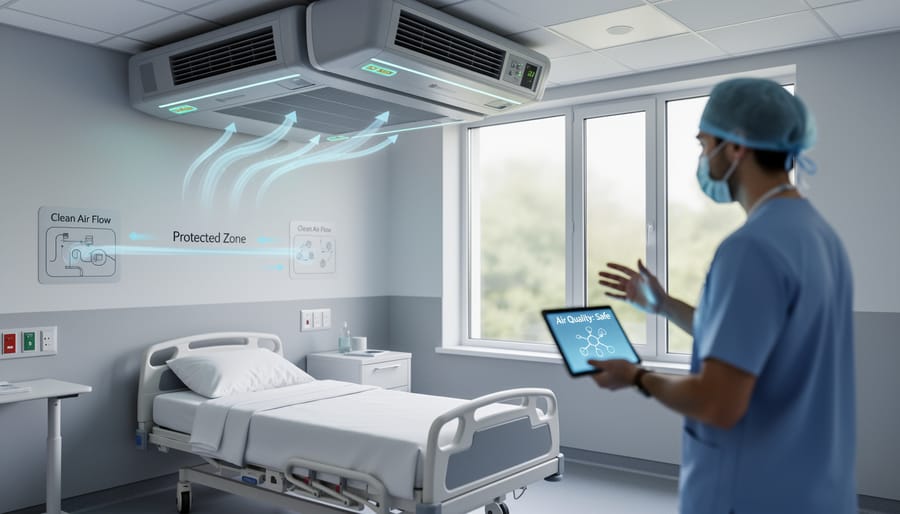
Advanced treatment centers serving the immunodeficiency community implement multi-layered protective protocols that go beyond surface-level cleanliness. These include HEPA filtration systems that cycle air multiple times per hour, removing pathogens too small to see. Isolation rooms with negative pressure capabilities prevent airborne contaminants from spreading to shared spaces, creating safe zones for patients with severely compromised immune systems.
Medical-grade disinfection protocols follow rigorous schedules, with staff trained in evidence-based sanitization techniques that target opportunistic infections. Many facilities maintain dedicated treatment areas for immunodeficient patients, separated from general populations to minimize exposure risks.
Temperature and humidity controls also play crucial roles, creating environments where bacteria and mold cannot thrive. Advanced centers monitor air quality continuously, with real-time alerts when conditions deviate from safe parameters.
For families evaluating treatment options, understanding these invisible safeguards proves essential. Ask about air exchange rates, isolation protocols, and staff training in immunodeficiency-specific infection control. Request information about recent infection rate data and how the facility responds to outbreaks.
These protective measures represent the difference between a facility that looks safe and one that truly is safe for immunocompromised individuals. Photos simply cannot capture what protects you most.
Immunoglobulin Therapy Capabilities
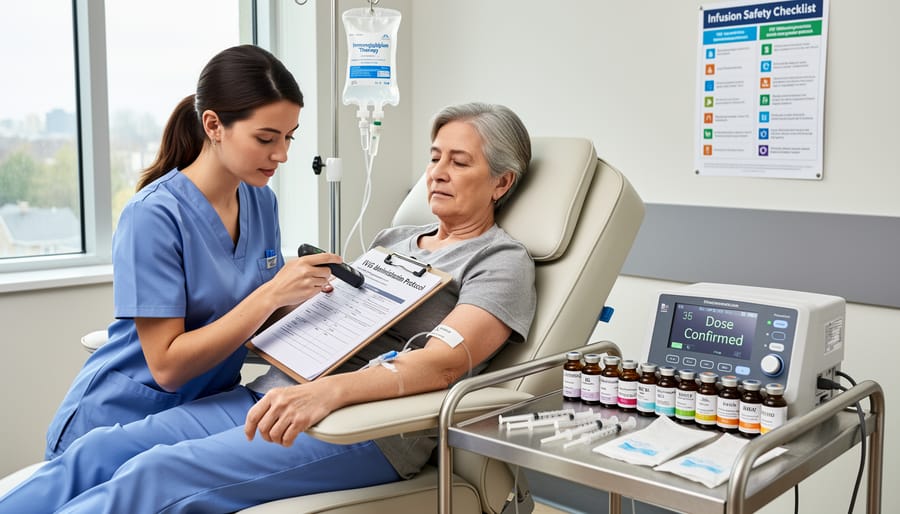
For individuals with primary immunodeficiency, access to immunoglobulin therapy can be life-changing. While facility photos might show attractive waiting rooms, what truly matters is whether a treatment center offers comprehensive immunoglobulin replacement therapy options, including both intravenous (IVIG) and subcutaneous (SCIG) administration.
Essential capabilities include proper refrigeration units that maintain strict temperature controls for immunoglobulin storage, as these medications require precise handling to remain effective. The administration area should provide comfortable, private spaces where patients can receive treatments lasting several hours, with trained nursing staff experienced in recognizing and managing potential reactions.
Monitoring equipment is equally critical. Treatment centers should have pulse oximeters, blood pressure monitors, and emergency medications readily available. Some patients prefer home-based SCIG therapy for greater independence and fewer disruptions to daily life, so inquire whether the center provides training and support for self-administration.
When evaluating any facility, ask specific questions about their immunoglobulin therapy protocols rather than relying on visual impressions. Does the center work with your insurance provider? Can they accommodate your preferred treatment schedule? These practical considerations directly impact your care quality and treatment consistency far more than aesthetic appearances.
Coordinated Multidisciplinary Care
Managing primary immunodeficiency requires collaboration among various medical specialists working together as a unified team. When evaluating any treatment facility, understanding how they coordinate care between immunologists, infectious disease specialists, pulmonologists, and other relevant professionals is essential—something facility photos cannot reveal.
Effective multidisciplinary care means your immunologist communicates regularly with specialists who understand your unique vulnerability to infections. For instance, when respiratory complications arise, having a pulmonologist familiar with PI patients makes a significant difference in treatment approaches. Similarly, infectious disease specialists who understand immunodeficiency can better tailor antibiotic protocols and preventive strategies.
Ask prospective facilities about their communication systems between departments. Do specialists share electronic medical records? How quickly can they consult with each other during urgent situations? Real families managing PI have found that seamless coordination prevents medication conflicts and ensures everyone on your care team understands your complete health picture. This integrated approach—not aesthetic surroundings—protects your health and improves long-term outcomes.
Questions to Ask Before Choosing Any Treatment Facility
When evaluating any treatment facility for primary immunodeficiency care, beautiful photographs can’t tell you what really matters for your health and safety. The questions you ask during your search will reveal far more than any glossy brochure or virtual tour.
Start by asking about immunology expertise specifically. Does the facility have board-certified immunologists on staff? What percentage of their patient population has PI conditions? How often do they treat patients with your specific diagnosis? These questions help you understand whether the center has genuine experience with immunodeficiency disorders or primarily focuses on other conditions.
Infection control protocols deserve detailed discussion. Request specifics about air filtration systems, isolation room availability, and procedures for managing immunocompromised patients. Ask how they handle patients who are actively ill with contagious conditions. Do they have separate waiting areas? What are their visitor policies during flu season? These practical measures directly impact your safety in ways no photograph can demonstrate.
Staffing ratios and continuity matter tremendously. What is the nurse-to-patient ratio? Will you see the same medical team consistently, or does staffing rotate frequently? How quickly can you reach a clinician after hours? Understanding who will care for you and their availability provides essential peace of mind.
Emergency preparedness is critical for PI patients. Ask about their protocols for severe allergic reactions, sudden infections, or complications from immunoglobulin therapy. What is their response time for urgent situations? Do they have 24/7 pharmacy access for specialized medications? Where do they transfer patients if higher-level care becomes necessary?
Finally, request patient outcome data. What percentage of their PI patients experience hospital-acquired infections? How do their treatment outcomes compare to national benchmarks? Can they provide references from other PI families? These conversations may feel awkward, but quality facilities expect informed patients to ask tough questions.
Remember, choosing a treatment center is about finding specialized expertise and safety protocols that match your unique medical needs, not about attractive amenities or appealing aesthetics.
Finding the Right PI Care: A Personal Journey
When Maria began searching for treatment options for her teenage son with Common Variable Immunodeficiency, she started the same way many families do: looking at facility photos online. She remembers being drawn to centers with modern lobbies and peaceful courtyards, believing these reflected quality care.
Her perspective shifted during a consultation with their immunologist. “I had printed out photos from three facilities I was considering,” Maria recalls. “Our doctor gently reminded me that what I couldn’t see in those pictures mattered far more than what I could.”
That conversation led Maria to create a new checklist. Instead of evaluating aesthetics, she began asking different questions: Does the facility have immunologists with PI experience on staff? What infection control protocols are in place? How quickly can they respond to complications? Do they coordinate with PI specialists? Can they administer immunoglobulin replacement therapy correctly?
“One center had beautiful photos but couldn’t tell me their staff-to-patient ratio or whether they had experience with subcutaneous immunoglobulin infusions,” Maria explains. “Another facility had no photos online at all, but when I called, they immediately connected me with their immunology team who understood my son’s specific diagnosis and treatment plan.”
The facility Maria ultimately chose wasn’t the most photogenic, but it offered something pictures could never show: a care team experienced in managing PI patients, established relationships with major immunodeficiency centers, and protocols specifically designed for immunocompromised individuals.
Her advice to other families is straightforward: “Start with your medical needs list, not your eyes. Pretty waiting rooms don’t prevent infections or manage immunodeficiency complications. The right questions lead to the right care.”
While facility photographs can offer helpful first impressions of cleanliness and comfort, choosing a treatment center for primary immunodeficiency requires looking beyond what cameras capture. The most critical elements—physician expertise in immunology, evidence-based treatment protocols, infection control measures, and specialized capabilities for managing complex cases—remain invisible in any photo gallery.
As you evaluate treatment options, use the principles established by experienced advocates like Laurel Cherwin as your guide. Prioritize facilities with board-certified immunologists, established relationships with PI specialty centers, and proven protocols for immunoglobulin replacement therapy. Ask detailed questions about their experience managing complications, their approach to individualized treatment plans, and their coordination with multidisciplinary care teams.
Connect with the immunodeficiency community through patient organizations and support groups. Fellow patients and families who’ve navigated these decisions can provide invaluable insights based on actual experiences rather than marketing materials. Their recommendations, combined with thorough conversations with prospective care teams about their specific PI expertise, will guide you toward appropriate care far more effectively than any photograph ever could. Your health deserves this thoughtful, comprehensive approach to facility selection.