kesha
kesha Community V represents the five interconnected pillars that transform isolated immunodeficiency patients into empowered advocates: Voice, Visibility, Validation, Volunteering, and Values. This framework emerged from real-world patient networks across the globe, where families affected by primary immunodeficiency disorders discovered that sustained advocacy requires more than medical knowledge. It demands a structured approach to building connections that amplify patient experiences, create lasting change in healthcare policy, and ensure no one faces diagnosis alone.
Living with an immunodeficiency disorder often feels like navigating an invisible illness. Lab results and medical charts tell one story, but the daily reality of frequent infections, treatment schedules, and social isolation tells another. Community V bridges this gap by giving patients and families concrete ways to participate in advocacy work, regardless of their energy levels, medical complexity, or previous experience.
The five pillars work together, not in isolation. When patients find their Voice to share their stories, they increase Visibility for rare diseases that desperately need attention. That Visibility brings Validation to others who’ve felt alone in their struggles. Volunteering channels this collective energy into tangible outcomes, while shared Values keep the community focused on what matters most: better diagnosis, improved treatment access, and quality of life for everyone affected.
This article breaks down each pillar with practical guidance drawn from successful patient advocacy groups, so you can find your place in the immunodeficiency community and contribute in ways that work for your life.
Voice: Speaking Up for Yourself and Others

Why Your Story Matters
Your individual experience with immunodeficiency carries more weight than you might realize. When you share what it’s really like, the cancelled plans, the pharmacy battles, the small victories that others take for granted, you create ripples that extend far beyond your immediate circle.
Healthcare providers learn from these stories in ways medical textbooks can’t teach. A doctor might understand immunoglobulin therapy protocols perfectly, yet miss how injection site pain affects your ability to work or parent. Research shows patient narratives improve experience scores and help clinicians develop more responsive care approaches. Your story fills those knowledge gaps.
For newly diagnosed patients, your narrative serves another crucial purpose: it offers a roadmap through unfamiliar territory. When someone receives an immunodeficiency diagnosis, they’re often overwhelmed by medical terminology and worst-case scenarios. Hearing how you’ve built a life, not despite your condition, but with it as part of your reality, provides both practical guidance and emotional grounding they desperately need.
Public awareness shifts one story at a time, too. Each honest account chips away at misconceptions about invisible illness and builds understanding in workplaces, schools, and families where immunodeficiency was previously a mystery.
From Silence to Self-Advocacy
Starting to speak up for yourself in medical settings doesn’t require transformation into an assertive superhero overnight. It begins with small, manageable steps that gradually build your confidence and communication skills.
Before your next appointment, write down your top three concerns or questions. This simple preparation anchors you when anxiety makes your mind go blank. Practice saying one sentence out loud: “I need clarification on this treatment plan” or “These side effects are affecting my daily life.” Hearing your own voice rehearse these statements makes them easier to deliver when it counts.
When speaking with insurance companies about coverage denials, document everything. Keep a dedicated notebook with dates, representative names, and reference numbers from every call. Ask for explanations in writing. You’re not being difficult, you’re creating a paper trail that protects your access to necessary treatments. Script your opening: “I’m calling to understand why my IVIG treatment was denied and what documentation you need for approval.”
Self-advocacy extends beyond individual interactions. Participating in advocacy initiatives can start with reading and sharing one educational post per week from established immunodeficiency organizations. Comment on proposed healthcare policies during public comment periods, your three-sentence email counts. Attend one virtual advocacy day per year if your health permits.
Remember that advocacy isn’t about being the loudest voice in the room. It’s about being present, persistent, and willing to say “this matters” when it affects your health and quality of life.
Visibility: Making Immunodeficiency Seen and Understood

Breaking Through the Invisible Illness Barrier
Living with immunodeficiency means managing a condition that others can’t see. You might look healthy while fighting frequent infections, managing crushing fatigue, or dealing with side effects from treatment. This invisibility creates unique challenges when people question why you’re calling in sick again, why you can’t attend events, or why you need accommodations.
The disconnect between how you look and how you feel leads to dismissive comments: “But you don’t look sick” or “You seemed fine yesterday.” These responses, however well-intentioned, minimize your experience and force you to justify your limitations repeatedly.
Educating those around you starts with clear, simple explanations. For family and close friends, try: “My immune system doesn’t work properly, so I catch infections easily and take longer to recover.” With employers, focus on what you need rather than medical details: “I have a chronic condition that sometimes requires unexpected medical appointments and recovery time.”
Create a brief explanation you’re comfortable repeating. You don’t owe everyone your full medical history, but having consistent language helps. Some patients develop a “one-minute version” for acquaintances and a deeper explanation for those who need to understand more.
Documentation matters too. Letters from your immunologist can validate your needs for workplace accommodations or school adjustments, transforming invisible struggles into recognized medical realities.
Community Awareness Initiatives That Work
In 2026, immunodeficiency awareness has gained momentum through creative community efforts that meet people where they are. Social media campaigns like #IDontLookSick and #ChronicIllnessLife continue connecting patients while educating broader audiences about immunodeficiency realities. Local patient organizations have partnered with schools and workplaces to deliver short, impactful presentations that demystify immune disorders and challenge misconceptions.
Grassroots initiatives shine brightest when they’re patient-led. Support groups organizing information tables at community health fairs, sharing infographics designed by actual patients, and hosting virtual panel discussions featuring diverse patient voices have proven especially effective. These efforts work because they combine personal authenticity with practical information, showing real faces behind statistics while giving observers concrete ways to understand and support the immunodeficiency community.
The most successful campaigns prioritize accessibility and inclusivity, ensuring materials reach underserved populations and represent the community’s diversity.
Validation: Finding Understanding in Shared Experience
The Power of ‘Me Too’ Moments
When someone else says “I know exactly what you mean, I’ve been there too,” something shifts. For people living with immunodeficiency, these moments of recognition can feel like exhaling after holding your breath for months.
Shared experiences create a unique form of validation that even the most compassionate healthcare provider can’t fully replicate. When another person describes the exact fatigue pattern you thought only you experienced, or the specific anxiety before infusions, or the guilt of canceling plans again, it confirms you’re not overreacting or imagining things. Your reality is real.
These connections often happen in unexpected places. A comment thread on a patient forum at 2 a.m. Someone at a clinic waiting room who catches your eye and just gets it. A support group where you don’t have to explain the basics before getting to the hard parts.
The relief isn’t just emotional. Studies consistently show that peer support reduces healthcare anxiety, improves treatment adherence, and helps people develop better coping strategies. When you hear how someone else navigated a challenge you’re facing, you gain practical wisdom wrapped in understanding. You learn you can survive this because they did, and they learned the same from someone before them.
Where to Find Your Community
Finding community starts with knowing where to look, and today’s immunodeficiency support landscape offers more connection points than ever before. Research confirms that peer support reduces isolation and improves wellbeing for people with chronic conditions, making the search worthwhile.
Your community options include:
- National patient organizations like the Immune Deficiency Foundation and Jeffrey Modell Foundation, which offer educational resources, conferences, and regional networks
- Condition-specific groups for CVID, XLA, SCID, and other primary immunodeficiencies that provide targeted information and peer connections
- Facebook groups and online forums where members share daily experiences, treatment questions, and practical advice in real time
- Hospital-based support groups often facilitated by social workers or immunology clinics
- Local rare disease organizations that connect families facing similar challenges across different conditions
Start with one or two connections rather than trying to engage everywhere at once. Not every community will feel like the right fit, and that’s normal. Some people thrive in active Facebook groups, while others prefer quarterly in-person meetings or quiet email lists. Pay attention to which spaces make you feel heard and supported rather than drained or overwhelmed. The right community for you is one where you can show up as yourself, ask questions without judgment, and find the validation you need.
Volunteering: Giving Back to Strengthen the Whole
Volunteer Opportunities That Fit Your Energy
Living with immunodeficiency means your energy fluctuates, and that’s perfectly okay when it comes to volunteering. The most effective contributions match your capacity on any given day or week.
| Volunteer Role | Time Commitment | Location |
|---|---|---|
| Social media sharing/commenting | 5-15 minutes | Remote |
| Peer mentoring (text/email) | 1-2 hours/week | Remote |
| Patient story writing | Flexible, one-time | Remote |
| Support group facilitation | 2-3 hours/month | Remote or in-person |
| Awareness event participation | 2-4 hours/event | In-person |
Remote options dominate for good reason. Answering a newly diagnosed person’s questions via email, sharing educational posts during a low-energy afternoon, or participating in virtual advocacy days requires no travel and respects your immune system’s needs. Many organizations specifically design micro-volunteering tasks that take under 30 minutes, perfect for days when you have limited stamina but still want to contribute. Even liking and commenting on awareness posts amplifies reach without demanding much from you. The key is choosing roles that energize rather than deplete you, turning volunteering into sustainable support rather than another obligation that drains your reserves.
The Healing in Helping Others
Living with immunodeficiency can sometimes feel like being defined by what you can’t do. Volunteering flips that script. When you help another newly diagnosed person understand their treatment options, you’re not a patient, you’re a mentor. When you share your insurance navigation tips, you become an expert rather than a burden.
This shift in identity matters deeply. Research shows that people with chronic conditions who volunteer report greater life satisfaction and reduced feelings of helplessness. You’re not imagining it: giving back genuinely counteracts the isolation and loss of control that immunodeficiency creates.
The connection runs both ways. A parent who moderates an online support group finds community while helping others find theirs. The patient who shares hard-won wisdom about managing flares discovers their struggles weren’t pointless, they became the roadmap someone else desperately needed.
You don’t need to be “well enough” to contribute. Sometimes the most powerful advocacy comes from people in the thick of it, offering real-time solidarity and proof that this life, however altered, still holds meaning and purpose.
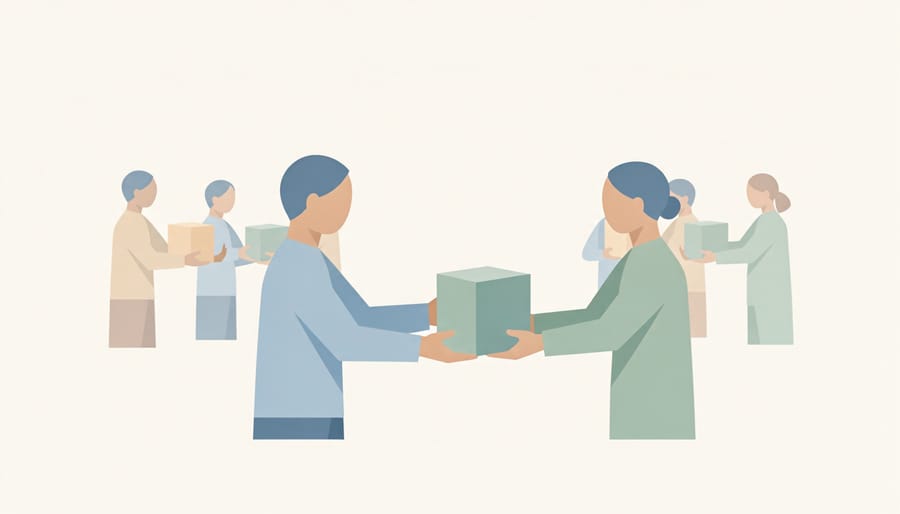
Values: Building a Community on Shared Principles
Keeping Community Spaces Safe and Supportive
Safe community spaces don’t happen by accident, they’re built on shared agreements about how we treat each other. In immunodeficiency support networks, where members often share vulnerable health details and emotional struggles, these boundaries become essential protection.
Effective communities establish clear expectations: respectful disagreement without personal attacks, evidence-based information over unverified claims, and zero tolerance for predatory behavior like selling unproven treatments to desperate patients. Moderators who understand immunodeficiency challenges can recognize when discussions veer into harmful territory, like shaming someone for infection prevention choices or dismissing legitimate symptoms.
Trust grows when community members see values consistently enforced. When someone shares a difficult diagnosis update, they need assurance that their vulnerability won’t be exploited or dismissed. When controversial treatment options arise, the conversation must balance open discussion with protecting members from dangerous misinformation.
The strongest immunodeficiency communities recognize that not everyone feels safe speaking up directly. Anonymous reporting systems, diverse moderation teams, and regular community check-ins help identify problems before they drive members away. Your community’s values matter most when they’re tested, how conflicts get resolved reveals whether those principles are real or just words.
When Values Drive Real Change
When immunodeficiency communities organize around shared values, they create measurable impact that extends far beyond support forums. In 2024, patient advocacy groups successfully lobbied for expanded insurance coverage of immunoglobulin replacement therapy across multiple states, a direct result of coordinated efforts rooted in the principle that treatment access shouldn’t depend on zip code or employer.
Research priorities have shifted too. The Jeffrey Modell Foundation’s patient-centered research initiatives now routinely include community representatives in study design, ensuring clinical trials address questions that matter most to people living with these conditions. This value-driven approach has accelerated development of home-based therapies and quality-of-life studies that pure medical research might have overlooked.
Healthcare improvements often start small. When one hospital’s immunodeficiency clinic implemented flexible scheduling after patients voiced concerns about infection exposure in crowded waiting rooms, the model spread. Now dozens of treatment centers nationwide offer isolated appointment blocks during flu season, a simple change born from the community value of protecting vulnerable immune systems while maintaining care access.
These victories didn’t happen accidentally. They emerged when people with immunodeficiency said “our values demand better” and refused to accept inadequate systems as unchangeable.
The five pillars of Community V, Voice, Visibility, Validation, Volunteering, and Values, aren’t lofty ideals reserved for activists or experts. They’re practical tools you can pick up today, right where you are in your immunodeficiency journey.
Maybe you start by sharing your story with one person who needs to hear it. Perhaps you join an online support group and discover the validation that comes from others saying “I understand.” You might volunteer an hour a month when your energy allows, or simply commit to speaking up more clearly at your next doctor’s appointment.
Community and advocacy aren’t separate from living with immunodeficiency, they’re woven into the daily choices that make this life more manageable and meaningful. Every time you choose connection over isolation, you strengthen not just yourself but the entire network of people navigating similar challenges.
You don’t have to embrace all five pillars at once. Start with one that resonates. The immunodeficiency community is here, waiting to welcome you exactly as you are, with whatever you have to offer.