kesha
kesha The Journal of Acquired Immune Deficiency Syndromes, known as JAIDS, stands as one of the leading peer-reviewed medical publications dedicated to HIV/AIDS research, treatment advances, and the broader spectrum of immune system disorders. Since its founding in 1988, this journal has served as a critical bridge between laboratory discoveries and real-world patient care, publishing groundbreaking studies that have shaped how doctors understand and treat immunodeficiency conditions.
For individuals and families navigating an immunodeficiency diagnosis, JAIDS represents something powerful: hope translated into evidence. Every month, researchers worldwide contribute studies on new therapies, prevention strategies, and quality-of-life improvements that eventually reach your doctor’s office. When your healthcare team mentions a new treatment protocol or suggests adjusting your care plan based on recent findings, there’s a good chance that research first appeared in journals like this one.
What makes JAIDS particularly valuable is its commitment to publishing not just clinical trials, but also epidemiological studies, prevention research, and investigations into how social determinants affect health outcomes. This broader perspective means the journal addresses questions that matter to real people: How do different communities access care? What barriers prevent effective treatment? How can we improve daily living with chronic immune conditions?
Understanding where medical knowledge comes from empowers you to ask better questions, advocate more effectively, and participate meaningfully in your own care decisions. JAIDS sits at the heart of that knowledge creation, turning scientific inquiry into the treatments and support systems our community relies on every day.
What is JAIDS and Why It Matters

The Journal of Acquired Immune Deficiency Syndromes, universally known as JAIDS, stands as one of the most respected peer-reviewed publications dedicated to HIV/AIDS research and related immunodeficiency conditions. First published in 1988, the journal emerged during the early years of the AIDS epidemic when the medical community desperately needed a dedicated platform to share rapidly evolving research findings. For nearly four decades, JAIDS has maintained its position as a vital resource, publishing groundbreaking studies on everything from treatment protocols to social determinants of health affecting people living with immunodeficiency disorders.
What sets JAIDS apart is its comprehensive scope. The journal doesn’t limit itself to laboratory science or clinical trials. You’ll find articles examining treatment adherence challenges, health disparities among vulnerable populations, vaccine development, pediatric HIV care, and the psychological impact of living with immunodeficiency. This broad approach reflects a fundamental truth: managing these conditions requires understanding the whole person, not just the virus or immune system dysfunction.
The journal’s reputation rests on strict peer review standards. Before any article appears in JAIDS, multiple expert reviewers scrutinize the methodology, data analysis, and conclusions. This process, though time-consuming, ensures that published findings meet rigorous scientific standards. The NLM Catalog listing confirms JAIDS’s standing as an indexed, medically recognized publication tracked by the National Library of Medicine.
For healthcare providers treating patients with immunodeficiency disorders, JAIDS offers evidence-based insights that directly inform clinical decisions. When your doctor adjusts treatment or recommends a new approach, research published in journals like JAIDS often provides the foundation for those choices. That connection between published science and the care you receive makes JAIDS more than an academic exercise, it’s part of the ecosystem supporting better health outcomes for everyone affected by immunodeficiency conditions.
How JAIDS Contributes to Education and Awareness
Translating Research into Patient Understanding
Scientific papers in JAIDS, while rigorous and evidence-based, are written for researchers and clinicians. Recognizing this gap, patient advocacy organizations and healthcare educators routinely translate these findings into formats families can actually use. When a study reveals improved treatment outcomes or identifies a new risk factor, organizations create plain-language summaries that strip away statistical jargon and focus on what the results mean for daily life.
Community health centers host presentations where medical professionals walk through recent JAIDS articles, answering questions and addressing concerns. These sessions transform abstract research into conversations about medication adjustments, lifestyle modifications, or when to seek specialist care. Advocacy groups incorporate JAIDS findings into brochures, webinars, and support group discussions, ensuring people living with immunodeficiency conditions stay informed without needing a medical degree.
This translation work connects directly to the immunodeficiency support pillars that strengthen community resilience. By making research accessible, translators empower patients to participate in care decisions, recognize warning signs earlier, and understand why their treatment team recommends specific approaches. The goal isn’t to make everyone a researcher, it’s to ensure groundbreaking science reaches the people whose lives depend on it, in language they can trust and apply.
Supporting Healthcare Professionals

Healthcare professionals treating immunodeficiency disorders rely on JAIDS to maintain current knowledge in a rapidly evolving field. The journal serves as continuing medical education through regular publication of clinical trials, treatment protocols, and outcome studies that directly inform patient care decisions.
Clinicians use JAIDS articles to support evidence-based practice when developing treatment plans. A physician considering antiretroviral therapy adjustments can reference recent efficacy studies, while an immunologist investigating unusual opportunistic infections finds documented case series and diagnostic approaches. This peer-reviewed evidence strengthens clinical reasoning beyond anecdotal experience.
The journal keeps practitioners updated on emerging treatment advances before they become standard care. Early publication of novel therapies, drug interactions, and resistance patterns allows clinicians to anticipate challenges their patients might face. Research on long-term complications helps doctors counsel patients about what to expect years into treatment.
JAIDS also addresses practical clinical questions that textbooks can’t answer quickly enough. Articles examining real-world adherence challenges, side effect management strategies, and special population considerations (pregnancy, aging, comorbidities) provide actionable guidance. This translates complex research into bedside application, ultimately improving outcomes for people living with immunodeficiency conditions.
Key Topics Covered in JAIDS
The journal covers a comprehensive range of topics that extend far beyond what the title might initially suggest. While HIV/AIDS research forms the foundation, JAIDS publishes studies addressing the full spectrum of acquired immunodeficiency conditions and their ripple effects across communities.
At its core, you’ll find cutting-edge research on viral pathogenesis and immune system function. Scientists publish detailed investigations into how various pathogens exploit weakened immune systems, tracking everything from cellular mechanisms to viral evolution patterns. This fundamental immunology research helps clinicians understand why certain patients respond differently to treatments.
Opportunistic infections receive substantial attention. The journal features studies on pneumocystis pneumonia, cytomegalovirus, tuberculosis, and fungal infections that threaten people with compromised immunity. These articles examine prevention strategies, diagnostic techniques, and treatment protocols that directly inform patient care across multiple immunodeficiency conditions, not just HIV.
Treatment outcomes and antiretroviral therapy research appear prominently, with studies evaluating medication efficacy, drug resistance patterns, and long-term health impacts. You’ll find comparative analyses of treatment regimens, quality of life assessments, and investigations into why some patients achieve better results than others.
Epidemiology studies track disease patterns, transmission dynamics, and population health trends. This research shapes public health policy and helps communities identify where resources are most needed. The journal regularly publishes data on infection rates, demographic variations, and geographic hotspots.
Critically, JAIDS dedicates substantial space to the social determinants of health. Studies examine how poverty, stigma, healthcare access, mental health, substance use, and social support networks affect disease outcomes. Research into adherence barriers, discrimination, and community interventions recognizes that effective care requires addressing the whole person, not just the medical condition.
This breadth makes JAIDS valuable for anyone seeking evidence-based information about immunodeficiency, regardless of the specific diagnosis they’re researching.
Accessing and Using JAIDS for Community Benefit
Accessing JAIDS doesn’t require medical credentials, though some approaches work better than others. Many academic articles sit behind paywalls, but several free access routes exist for community members determined to stay informed about immunodeficiency research.
Public libraries often provide access to academic databases through their digital services. Your library card might unlock PubMed Central, which hosts numerous JAIDS articles in open-access format. University libraries sometimes extend visitor access, particularly to community members working with patient advocacy groups. Contact the reference desk directly, librarians excel at navigating these systems and can identify which articles are freely available.
The journal itself publishes select open-access articles, typically marked with a green open padlock icon. These appear alongside subscription content but remain freely readable. Publishers increasingly make research funded by public grants accessible to everyone, so searching for government-funded studies often yields readable results.
When you find an article, start with the abstract and conclusion. These sections summarize the main findings without requiring you to parse dense methodology. Look for key numbers (how many participants, what percentage improved, statistical significance) and practical takeaways. If terminology confuses you, medical dictionaries like MedlinePlus provide plain-language definitions.
Reading research becomes easier when you bring questions to your next appointment. Print or bookmark relevant articles, then ask your doctor to explain how the findings might relate to your care. Many clinicians appreciate patients who engage with current evidence, and this dialogue strengthens the community support guidance they can offer. Some patients find it helpful to review PI care photos alongside research about treatment protocols to better visualize how theoretical findings translate into clinical practice.
Patient advocacy organizations often publish research summaries that distill complex studies into accessible language, serving as excellent companions to the original articles.
Real-World Impact: Stories from the Community
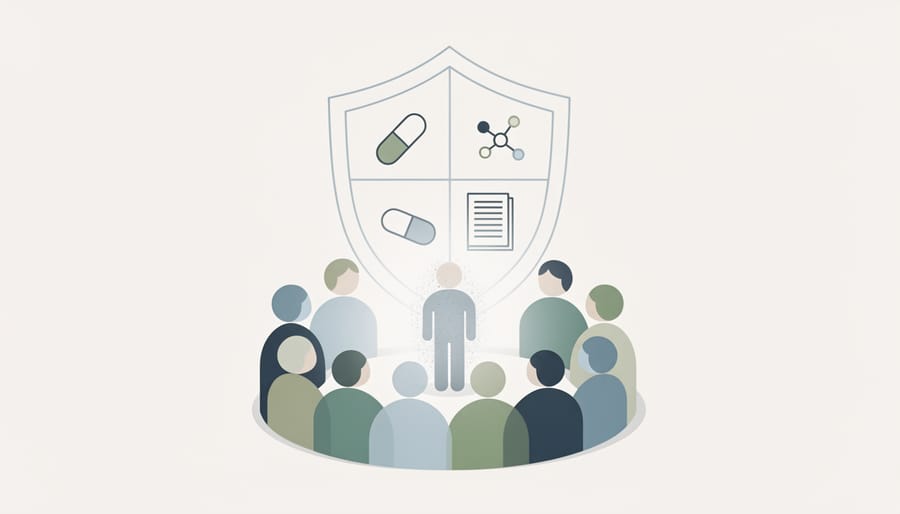
Research published in JAIDS doesn’t stay locked in academic libraries, it travels into clinics, support groups, and homes, changing how people live with immunodeficiency conditions. When a 2019 study in the journal identified specific markers predicting treatment response in patients with opportunistic infections, a Detroit-based infectious disease clinic restructured its monitoring protocols. Within eighteen months, the clinic reduced hospital readmissions for these patients by thirty-seven percent. One patient, Maria, described how the new approach caught a developing infection during a routine checkup, preventing what would have been her third hospitalization that year.
Advocacy organizations have used JAIDS publications to strengthen their policy work. After the journal published findings on healthcare access disparities among immunocompromised populations, a California advocacy group presented the research to state legislators. The data helped secure funding for three new specialty clinics in underserved areas. Coalition director James noted the research gave them “the credibility we needed to move from talking about problems to implementing solutions.”
Community education programs draw directly from the journal’s evidence base. A patient navigator in Boston created a workshop series after reading several JAIDS articles about the intersection of mental health and immune function. She translated complex research into practical discussions about stress management and treatment adherence, which now serve over two hundred families annually. This translation of peer-reviewed findings into evidence-based PI care demonstrates how academic publication informs grassroots support.
These stories reflect a larger pattern: research moves from publication to practice, from data to decisions that reshape individual lives and strengthen entire communities facing immunodeficiency challenges.
Common Questions About JAIDS and Research Journals
Navigating the world of academic research can feel overwhelming, especially when you’re looking for answers about your health or a loved one’s condition. Many people in the immunodeficiency community want to understand research but aren’t sure where to start or whether journals like JAIDS are even accessible to them.
The good news is that medical journals exist to share knowledge, not to keep it locked away. While some aspects of reading research papers take practice, you don’t need a medical degree to benefit from the information they contain. Understanding a few basics about how journals work can help you become a more informed advocate for yourself or your family member.
Can I access JAIDS without being a researcher?
Yes. Many articles are available through public libraries with online journal access, and some JAIDS content is published as open-access, meaning anyone can read it for free. Your healthcare provider or local university library can also help you obtain specific articles.
What does peer-reviewed mean?
Peer-reviewed means other experts in the field have evaluated the research before publication, checking the methods, data, and conclusions for accuracy and scientific rigor. This process makes peer-reviewed journals more reliable than blogs, news articles, or unverified online sources.
How do I know if research applies to my condition?
Look at the study’s focus, population studied, and specific conditions examined, usually described in the abstract and introduction. Discuss findings with your healthcare provider, who can help you understand whether the research is relevant to your particular situation and treatment plan.
Do I need to understand all the technical language?
No. Focus on the abstract, introduction, and conclusion sections, which summarize key findings in more accessible language. Many researchers also publish plain-language summaries, and patient advocacy organizations often translate important studies for community understanding.
Remember that research papers follow a standard format: abstract, introduction, methods, results, discussion, and conclusion. If the methods section feels impenetrable, that’s normal. The abstract and conclusion typically offer the most digestible overview of what the study found and why it matters. Your healthcare team remains your best partner in interpreting how new research might affect your care decisions.
The Journal of Acquired Immune Deficiency Syndromes stands as a vital pillar in the ongoing effort to advance immunodeficiency education and awareness. While the research it publishes may seem distant from daily life, each study represents progress toward better treatments, deeper understanding, and ultimately improved quality of life for people living with immunodeficiency conditions. This connection between laboratory findings and lived experience makes JAIDS an essential resource, even when we access its insights secondhand through patient summaries, advocacy materials, or conversations with our healthcare providers.
Staying informed doesn’t require reading every technical paper. It means recognizing reliable sources, asking your medical team about recent developments, and connecting with community organizations that translate research into actionable guidance. When you understand where new information comes from and how it’s validated through peer review, you’re better equipped to make informed decisions about your own care.
The immunodeficiency community has always drawn strength from shared knowledge. Scientific journals like JAIDS fuel this exchange, providing the evidence base that supports advocacy efforts, shapes policy decisions, and drives innovation in care. By engaging with this broader ecosystem of information, whether through direct reading or trusted interpreters of research, you contribute to a more informed, resilient community. Your questions matter. Your voice in advocacy matters. And understanding the sources behind the science empowers both.